Flickering lights, warm outlets, tripping breakers, and random power loss often point to wiring that needs attention. If your Honolulu home still depends on outdated conductors, loose connections, or patchwork repairs, the problem can keep showing up until the wiring is replaced or reworked.
True Power Electrical Services LLC helps homeowners identify unsafe wiring conditions, plan a practical rewiring scope, and restore dependable power through careful, code-aware work. We focus on the parts of the system that matter most, from older branch circuits to outlets, switches, panels, and dedicated lines that support daily living. Home rewiring is one of several electrical services we provide to homes across Honolulu and Oahu.
Some wiring problems are obvious. Others show up as small annoyances that become harder to ignore. A home rewiring project may be the right next step when several of these issues appear together.
These symptoms do not always mean every wire must be replaced, but they do suggest the system deserves a close look. We can help separate a small repair from a wider rewiring project so you know what needs attention first.
Home rewiring is more than swapping a few outlets. It may involve replacing old branch wiring, correcting damaged circuits, adding grounded receptacles, and updating connections that no longer suit the home’s electrical load. In many Honolulu homes, the scope depends on the age of the wiring, the condition of existing devices, and how the property is used today.
True Power Electrical Services LLC works with the goal of making the system safer to use and easier to depend on. That often means more than replacing visible parts. It means checking how circuits are laid out, how loads are distributed, and whether the finished work will support the home’s daily needs.
Before rewiring begins, we look at the existing layout and identify what is safe to keep, what needs replacement, and where the system is struggling. That review helps prevent unnecessary work and keeps the project focused on real electrical concerns.
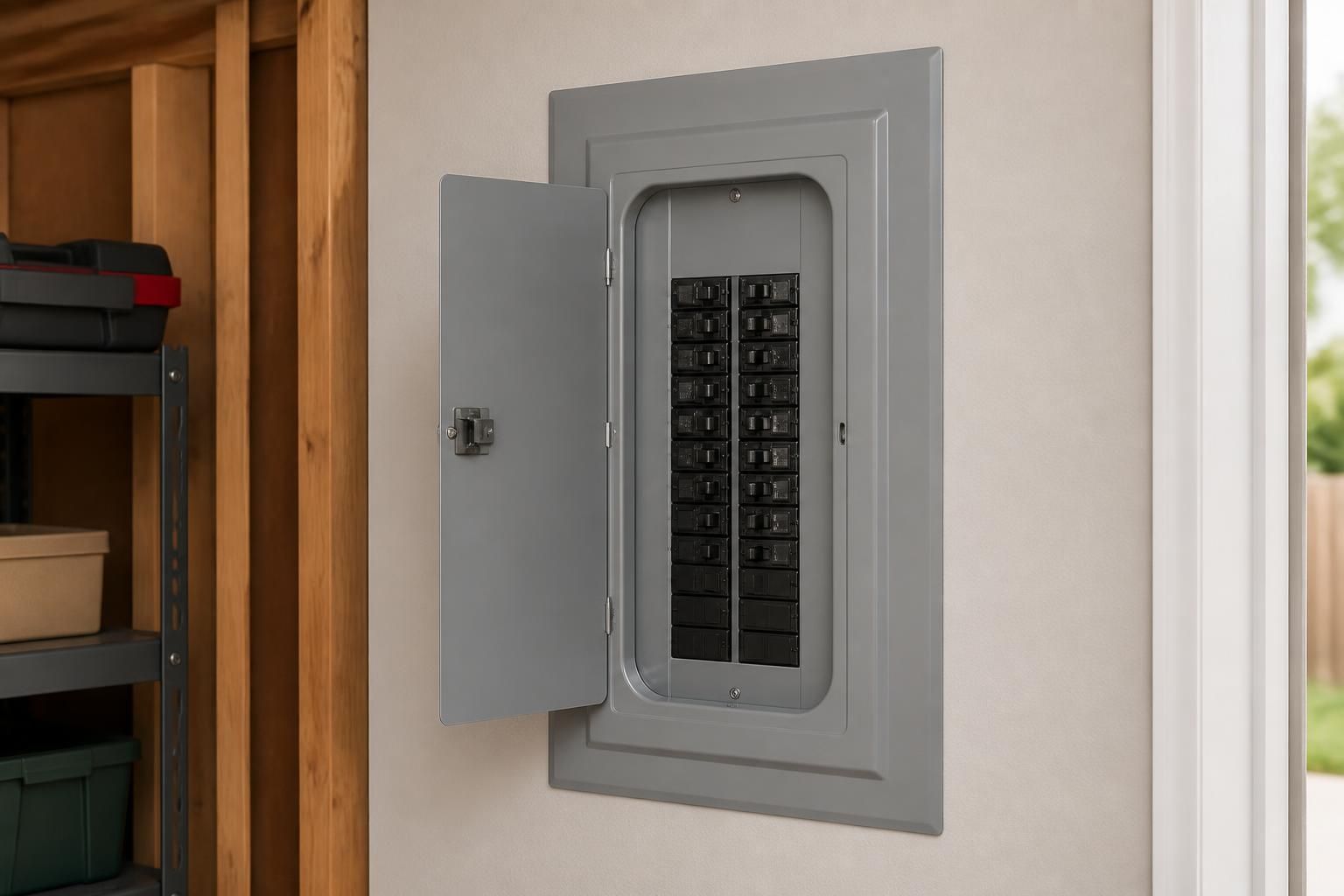
We look at how the panel supports the home and whether the circuits are organized in a way that makes sense for present-day use.
We check for worn devices, missing grounds, and signs that wiring has been altered over time.
We review how much power each circuit is carrying and whether the arrangement is causing nuisance trips or uneven performance.
We look for damaged insulation, aging connections, unsafe splices, and other signs that replacement may be warranted.
This step matters because home rewiring should solve the actual issue, not cover it up. A careful assessment also helps us plan the work around your home’s layout, occupied rooms, and renovation goals.
Every property is different, but a home rewiring project usually follows a clear sequence. The process helps reduce disruption and gives you a better sense of what is being changed at each stage.
We determine which circuits, rooms, or devices need replacement and identify any related upgrades that should happen at the same time.
We map the routes needed for new wiring and plan the work so walls, ceilings, and finished surfaces are handled as carefully as possible.
We replace old conductors and route new wiring where needed for outlets, switches, lighting, and dedicated circuits.
We install or reconnect outlets, switches, fixtures, and related components once the new wiring is ready.
We test circuits, confirm connections, and verify that the updated system is ready for daily use.
For homeowners, this means the work is organized rather than random. You know which parts are being addressed, and you get a finished setup that supports safer day-to-day use.
Some rooms place more demand on wiring than others. Kitchens, living areas, bedrooms, and garage spaces often reveal the limits of older electrical layouts because modern appliances and devices ask more from the system than the original wiring was built to handle.
If a room keeps needing extension cords, adapter plugs, or repeated fixes, the wiring may be telling you something. Rewiring can bring the room back into a practical, usable state without forcing you to work around old limitations.
Rewiring is not just about convenience. It is also about reducing hazards tied to heat, overloads, loose connections, and outdated wiring methods. When a home’s electrical system has been altered many times over the years, code corrections may be needed along with the wiring replacement itself.
That can include updated grounding, proper device selection, safer circuit organization, and attention to how circuits are protected at the panel. It can also include smoke detector installation, whole house surge protection, or electrical panel upgrade work when the broader system calls for it.
For Honolulu homes, this is especially important during remodels, additions, or any project where the electrical layout is changing. We aim for work that fits the property and supports the current electrical code requirements relevant to the job.
Once rewiring is complete, many homeowners notice a real difference right away. Lights may stop dimming unexpectedly. Outlets may feel more secure. Breakers may stop tripping under normal use. Most of all, the home starts to feel easier to live with because the electrical system is no longer forcing you to work around its limits.
If needed, we can also help with related services that often pair with rewiring, such as electrical troubleshooting, lighting installation, outlet installation, circuit breaker replacement, or electrical panel installation. The point is to make the finished system make sense as a whole, not as a collection of unrelated fixes.
True Power Electrical Services LLC serves Honolulu homeowners who want electrical work handled with care and clear communication. We keep the focus on safe layouts, practical upgrades, and a result that supports everyday use without unnecessary confusion.
Look for repeated breaker trips, warm outlets, flickering lights, buzzing devices, or outlets that are not grounded. A review can confirm whether the issue is limited to one circuit or spread across the home.
Yes. Some homes need a full project, while others only need specific circuits, rooms, or problem areas addressed. The right approach depends on what the inspection shows.
Usually, yes. Rewiring often includes replacing or reconnecting outlets, switches, and related devices so the new wiring matches the finished setup.
Yes. If walls are already open or room layouts are changing, it is a strong time to correct old wiring and add circuits that better fit the updated space.
Yes. A thoughtful rewiring plan can make it easier to add a dedicated circuit or prepare the home for an EV charger installation when the time comes.
Make a list of rooms with electrical problems, note any outlets or lights that behave strangely, and mention any recent renovations or appliance changes. That helps us focus the inspection.
If your Honolulu home is showing signs of outdated or stressed wiring, True Power Electrical Services LLC can help you move forward with a clear plan and careful workmanship.
Schedule Your Service
Share the issue, upgrade, or project you have in mind, and we will help you find the right electrical solution for your home, business, or property.